Remote control
Update schedules and operate compatible valves without travelling to each controller.
Remote irrigation control and field data
Connect compatible valves and field sensors over LoRaWAN, and bring weather data into the same system. Manage schedules remotely and use advisory irrigation-demand forecasts when planning upcoming irrigation.
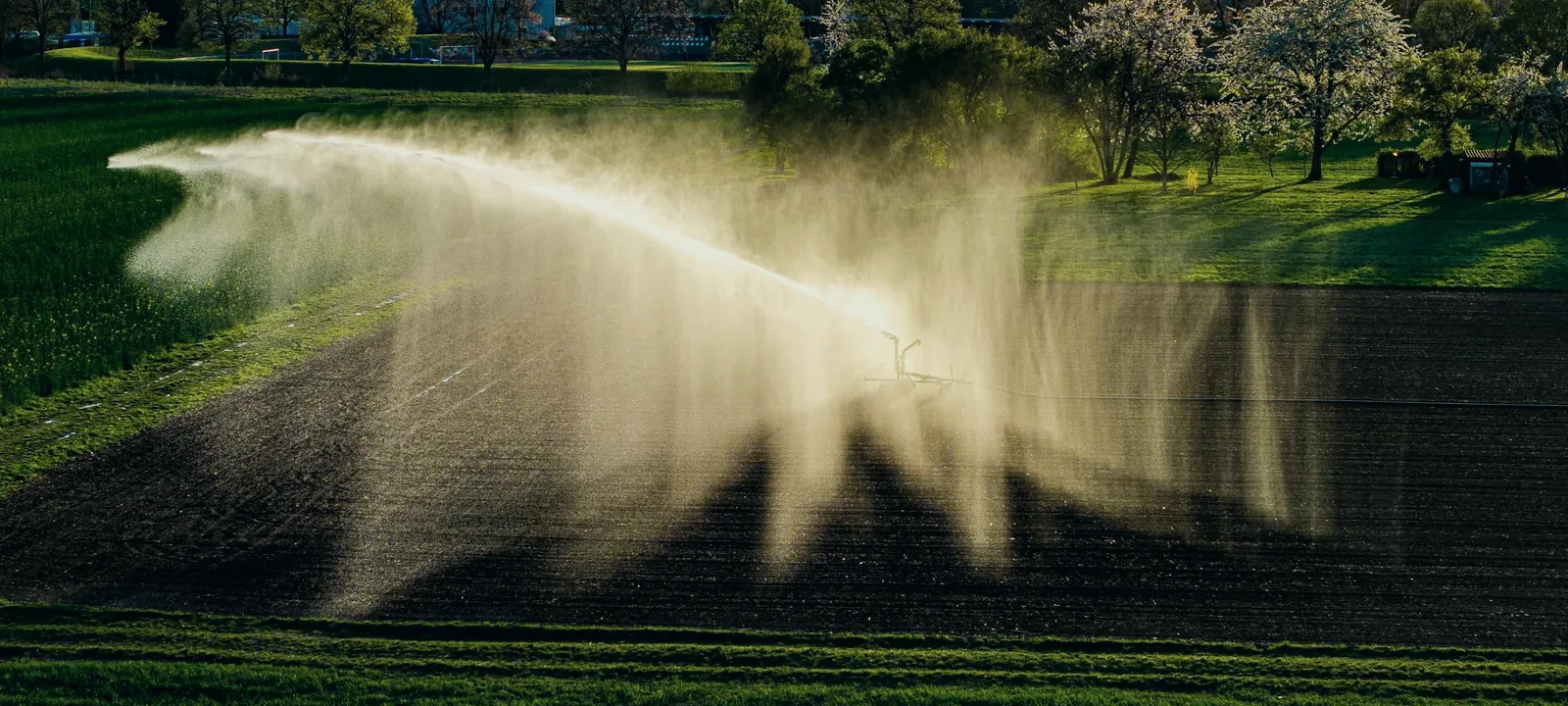
Update schedules and operate compatible valves without travelling to each controller.
Monitor soil moisture or soil water tension at the depths that matter for the crop.
Use measured rainfall, weather forecasts and advisory irrigation-demand forecasts when reviewing schedules.
Plan gateway locations, device selection and radio coverage for each site.
Irrigation system
Each installation is configured around its valves and operating needs. Soil and weather data can support schedule review and, where appropriate, configured automation.
Open, close and group compatible valves from one interface.
Set and update weekly programmes for each zone from one interface.
Connect sensors for soil moisture or soil water tension, flow meters, and weather stations or services.
Use advisory irrigation-demand forecasts when reviewing timing and application. Automation is configured separately for compatible equipment and agreed operating rules.
Soil and weather data
Soil moisture and soil water tension sensors show conditions in the root zone. Weather observations and forecasts add rainfall and atmospheric demand. Combined with crop settings and irrigation history, these data provide an advisory forecast of upcoming irrigation demand.
Monitor soil moisture or soil water tension at the relevant depths.
Compare recorded and forecast rainfall with temperature and reference evapotranspiration data.
Review how irrigation demand may change with soil conditions, crop settings, weather and recent irrigation.
Apply reviewed thresholds and operating rules on supported installations. Automation is configured for each site.
System design
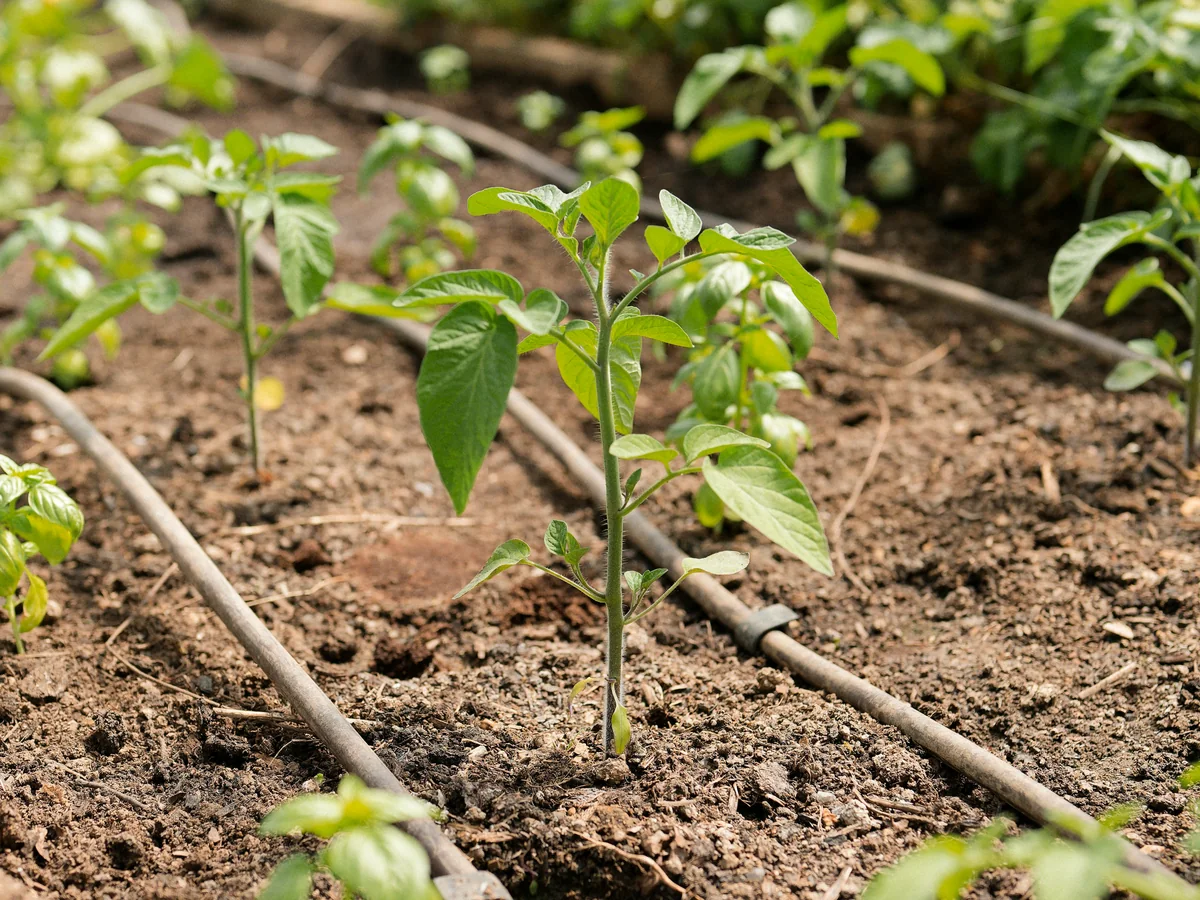
Each design follows the hydraulic layout, radio coverage, available power and required response times. It connects field equipment to local control and remote services.
Valves, flow meters, and soil and weather sensors
Low-power radio communication across the site
Gateway, control logic and schedules
Remote operation, data views and irrigation planning
For irrigation companies
You design and install the hydraulic system. OSI Cloud provides the LoRaWAN design, integrates compatible valves and sensors, connects weather services, and supports configuration and commissioning.
Discuss an installationReview the site plan, hydraulic layout, existing equipment, available data and operating requirements.
Specify gateway locations, radio coverage, sensors, power supply and control rules.
Configure devices, verify readings, test valve control and schedules, and document the installation.
Where it fits
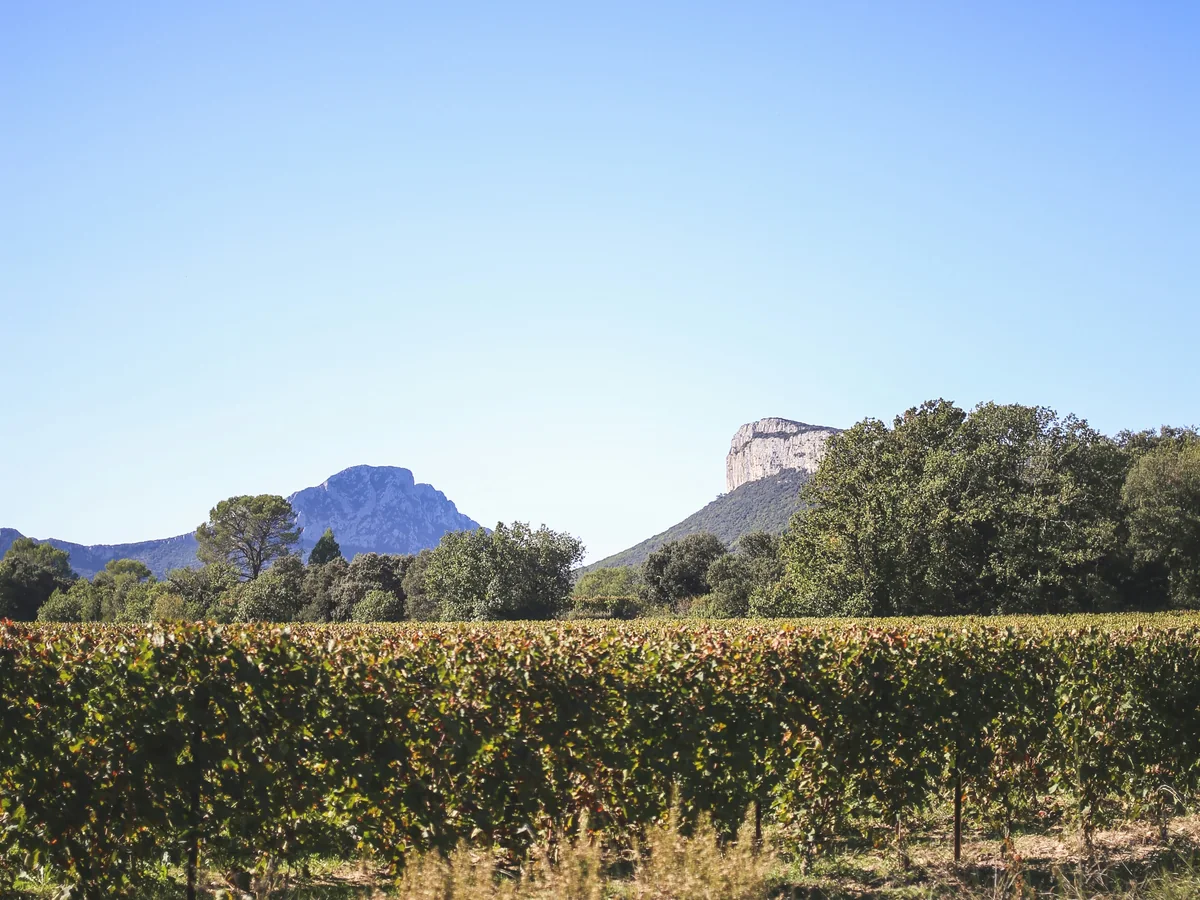
OSI Cloud is intended for installations that need central control across several fields, blocks or sites, or that use soil and weather data to review irrigation. Compatibility with existing equipment is assessed for each project.
Frequent schedule changes, root-zone monitoring and high seasonal water demand.
Distributed blocks, established root systems and irrigation that changes through the season.
Frequent irrigation cycles, close control and optional root-zone sensing.
Remote fields, weather-based schedule review and central control.
Background
OSI Cloud draws on work by Open Smart Irrigation and Agroscope in LoRa field communication, local data handling, soil water sensing, irrigation scheduling and device integration.
We apply this technical work to professional irrigation projects in Switzerland and elsewhere in Europe.
Project enquiry
Tell us the approximate number of zones and what controllers, valves, sensors or weather services are already in place. We will review the hydraulic layout, radio coverage and data requirements before recommending a system design.